
History/Social Science
Goals:
- To clearly define what students need to know and be able to do with History/Social Science content, and to instruct and assess students accordingly at each grade level.
- To assure that our instruction is an important step forward in our ongoing commitment to ensure that all California students are prepared for college, twenty-first century careers, and citizenship.
- To ensure our instruction models the diversity of our great state of California, with a great emphasis on inquiry; it is designed with the assumption that literacy and skill development are collaborative enterprises, and adds considerable information on civic learning, consistent with the work of the California Task Force on K–12 Civic Learning.
Instructional Materials:
- Elementary: Harcourt School Publishers, Reflections
- Middle School: 6-8th Grade, McDougal Littell
- High School: 10-12th Grade, Prentice Hall
Coming soon: New textbook pilot and K-12 textbook adoption cycle beginning in the 2023-2024 school year.
Framework:
History-Social Science Framework
The State Board of Education adopted the History-Social Science Framework on July 14, 2016. Curriculum frameworks provide guidance to educators, parents, and publishers, to support implementing California content standards.
Standards:
History-Social Science Content Standards
- Kindergarten Through Grade Twelve, adopted by the State Board of Education and are the basis for the curriculum framework. (1998)
Materials:
California Department of Education External Resources
2017 History–Social Science Instructional Materials Adoption (K–8)
Supplemental:
DBQ Project, “The DBQ Project 6-Step Method underpins the design of all our DBQs and Mini-Qs. Each step builds on students’ curiosity and increases motivation and confidence to answer a compelling, authentic question.”
SHEG Reading Like a Historian, Stanford History Education Group (SHEG)
AVID The Write Path
DBQ Project:
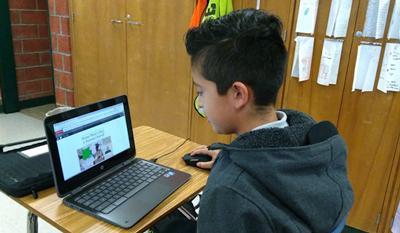
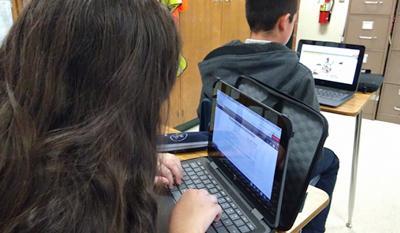
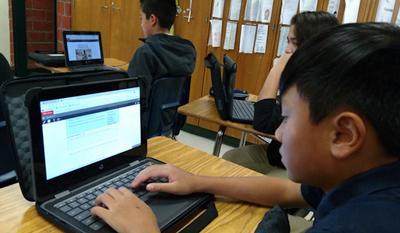
History/Social Science teachers are piloting The DBQ Project™ digital online resources.
Reading Like a Historian curriculum engages students in historical inquiry. Each lesson revolves around a central historical question and features a set of primary documents designed for groups of students with a range of reading skills. Document based questions (DBQs) are authentic assessments. Evidence-based argument, both spoken and written, is a necessary life skill. This is also the primary focus of The DBQ Project, with the additional supports often needed for student proficiency in reading, writing and research. Students who do DBQs find meaning amidst an array of information. In real life, whether we are deciding how to vote, what to buy, or how to spend our time, we answer questions by looking at diffuse evidence and deciding what it means.
This curriculum teaches students how to investigate historical questions by employing reading strategies such as sourcing, contextualizing, corroborating, and close reading. Instead of memorizing historical facts, students evaluate the trustworthiness of multiple perspectives on historical issues and learn to make historical claims backed by documentary evidence. To learn more about how to use these lessons, watch a series of videos about how teachers use these materials in their classrooms on the Teaching Channel.
DBQ Project method:
The DBQ Project 6-Step Method underpins the design of all our DBQs and Mini-Qs. Each step builds on students’ curiosity and increases motivation and confidence to answer a compelling, authentic question.
 Step 1: The Hook Exercise
Engages students and orients them to the question.
 Step 2: The Background Essay
Further orients students to the question and provides essential context that helps make sense of the documents.
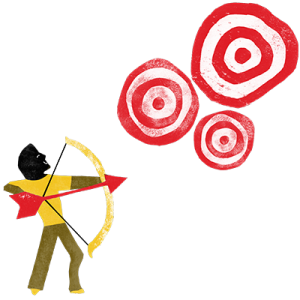 Step 3: Understanding the Question and Pre-bucketing
Helps students plan so they can target their investigation of the documents. Clarifying the question motivates students to start reading their sources to find answers.
 Step 4: Analyzing the Documents
It's like you're a detective! The documents provide clues and evidence students need to support their thesis or claim. They provide the knowledge and information students need to answer the question.
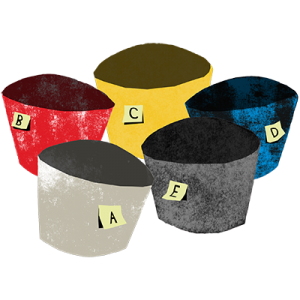 Step 5: Bucketing
Helps students get organized. Buckets become containers for evidence that students use to categorize or group evidence from the documents.
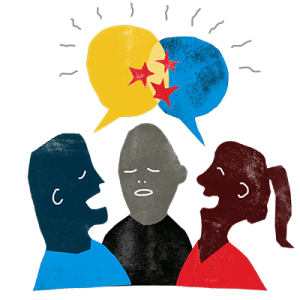 Step 6A: The Thrash-Out and Preparing to Write
Students prepare to write by debating or “thrashing-out” their answer to the question. Students practice using evidence from the documents to support and verbally validate their claims. They use what they learn to outline their essays.
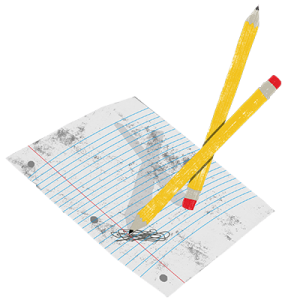 Step 6B: Writing the Essay
Students write multi-paragraph, evidence-based essays using their documents, buckets, and outlines to support and explain their reasoning.